

Categories
Related Posts

The Virginia Contributory Negligence Law Explained
March 10, 2026
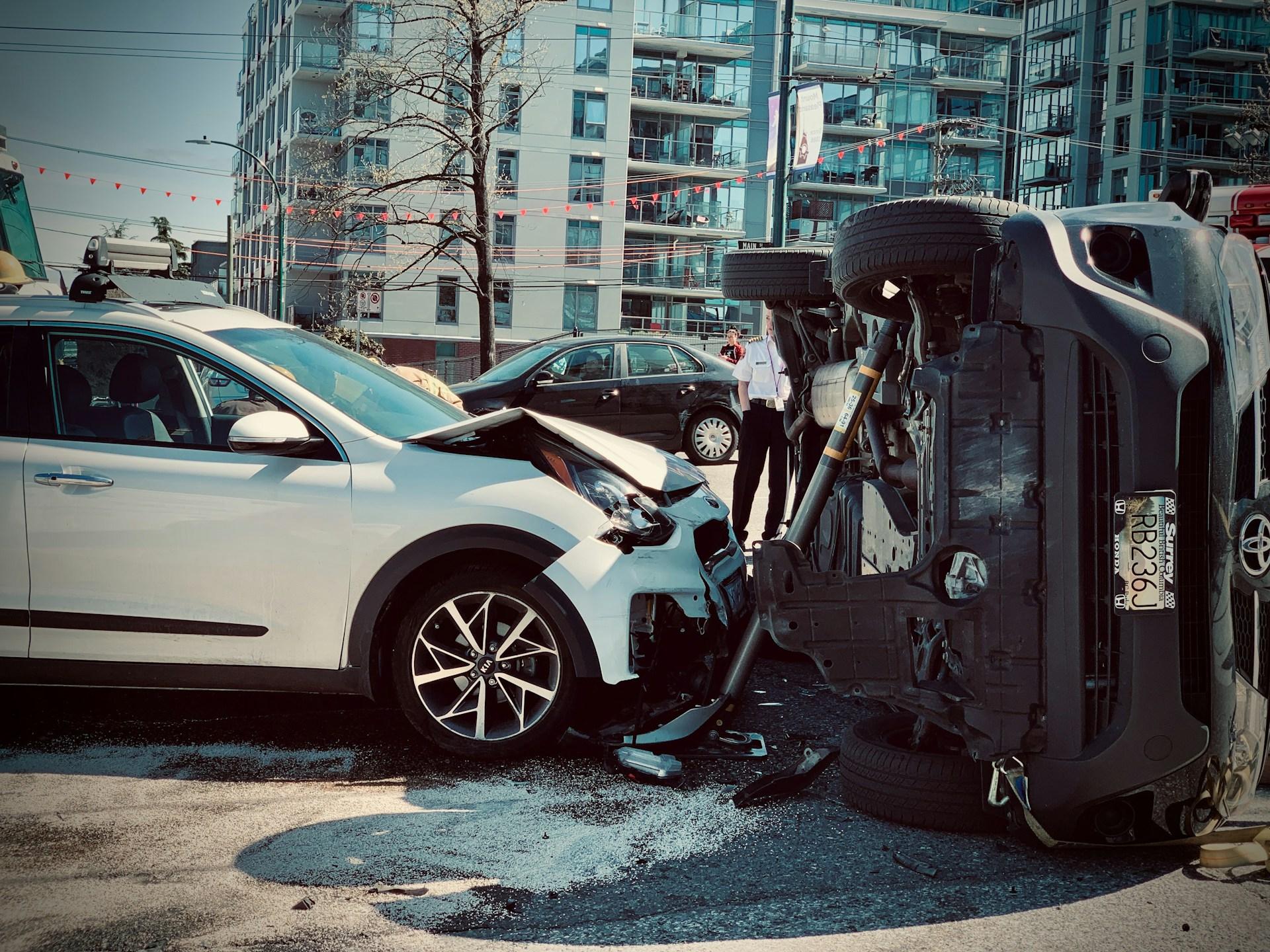
What To Do After a Car Accident in Roanoke Virginia
March 10, 2026
Tags
admin
March 10, 2026
Virginia Contributory Negligence Law Explained for Injury Cases in Roanoke
Virginia follows one of the strictest personal injury rules in the country. Under contributory negligence, a person may be prevented from recovering damages if they are even slightly responsible for an accident.
This rule plays a major role in personal injury cases in Roanoke, Virginia.
What Is Contributory Negligence?
Contributory negligence is a legal rule that prevents recovery if the injured party contributed to the accident in any way. Even 1% of fault may block compensation.
Because of this rule, insurance companies often attempt to shift blame onto injury victims.
Why Fault Matters in Roanoke Personal Injury Cases
Determining liability requires careful investigation.
Evidence often includes:
- Police accident reports
- Medical records
- Witness statements
- Video or surveillance footage
A car accident lawyer in Roanoke, Virginia may analyze these details to challenge allegations of shared fault.
Examples of Contributory Negligence Situations
Situations where insurers may argue contributory negligence include:
- A driver slightly exceeding the speed limit
- A pedestrian crossing outside a crosswalk
- A slip-and-fall victim ignoring warning signs
These arguments often become the central issue in injury litigation.
Learn more about injury claims in Virginia or talk with an injury lawyer about your situation.
FAQ
Why does Virginia still follow contributory negligence?
Virginia maintains this legal standard through longstanding state law and court precedent.
Can a lawyer challenge contributory negligence claims?
Yes. Evidence and witness testimony may demonstrate that the injured person was not responsible.
Does contributory negligence apply to all injury cases?
It generally applies to most negligence-based personal injury claims
Frequently Asked Questions (Real Questions from People in Bethesda, Md)
A will alone does not avoid probate or address incapacity. Many families use trusts and supplemental documents to create a more complete plan.
Costs vary depending on complexity. More comprehensive planning often reduces probate expenses and tax exposure over time.
Yes. Assets held in trusts or transferred through beneficiary designations generally bypass probate.
Ideally, five years before care is needed due to the look-back period. Earlier planning preserves more options.